
The Dreyfus Affair in the Drawing Room
In Search of Lost TimeThe Dreyfus case reorganizes friendships and public identities as characters revise their views, conceal their convictions, or sacrifice principle to social acceptance.
increasing Bearing strength in each event
 decreasing
Bearing strength in each eventdecreasingA Divided Society
Politics Enters Society
Two camps
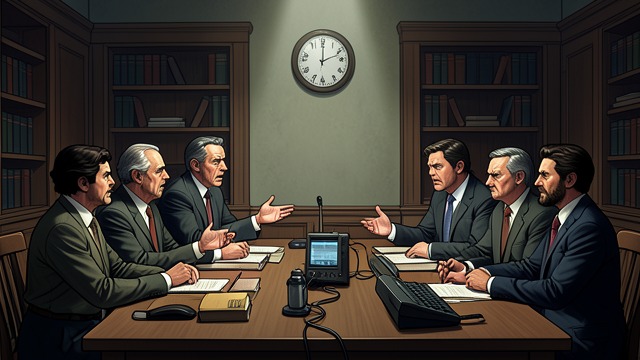
The Dreyfus Affair divides households, clubs, and friendships. Positions become tests of loyalty as the public controversy turns into a social conflict.
Reputation at stake
The narrator sees people judge political belief through class, religion, and personal convenience. The dispute reaches beyond the evidence of the case.
Swann Takes a Side
Commitment and Cost
A public stance
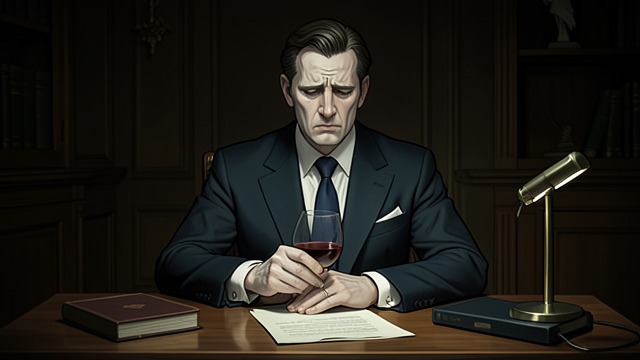
Charles Swann supports Dreyfus, alienating acquaintances who once valued his refinement and social usefulness. His Jewish identity makes the response especially charged.
A fragile position
Swann refuses to collapse justice into fashionable opinion. His illness makes the time available for political vindication feel painfully limited.
The Prince Changes His Mind
Conversion Through Evidence
Doubts accumulate
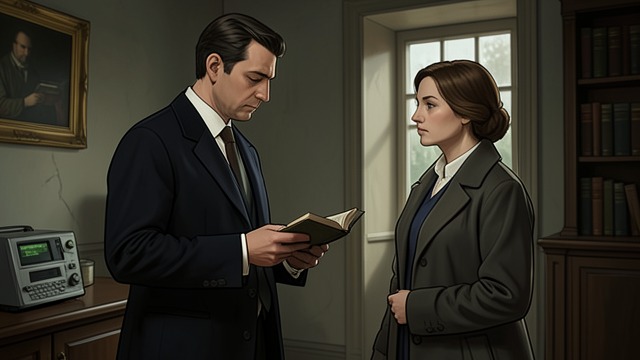
The Prince de Guermantes begins to question the trial after learning about illegalities and the forged Henry document. He reads what he had once refused to examine.
Belief becomes action
He privately prays for Dreyfus and discovers that the Princess shares his view. Their conversion remains constrained by fear of hurting one another.
Saint-Loup Reverses Course
A Changed Allegiance
Former conviction
Saint-Loup had once taken the Dreyfusard side. Swann expects his intelligence and loyalty to sustain that position.
Return to military loyalty
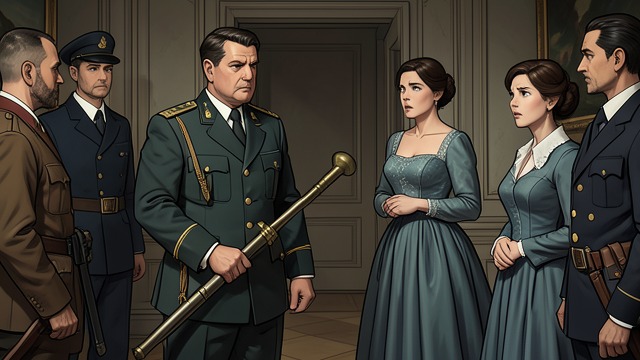
Saint-Loup now says that he regrets becoming involved and puts the Army first. His reversal unsettles the narrator’s confidence in political consistency.
A Politics of Accommodation

Opinion and Opportunity
Social conversion
At a spa, the Duc de Guermantes changes sides after meeting women whose intelligence he admires. Social influence reshapes his political certainty.
A wider pattern
The narrator sees opinions move with relationships, fashion, and access. The episode asks whether conviction can remain independent of social belonging.
During the years before the Guermantes reception
Before the reception in Part Two
Recounted during Swann’s conversation at the reception
At the reception, after Swann speaks with the narrator
In the months after the reception
